









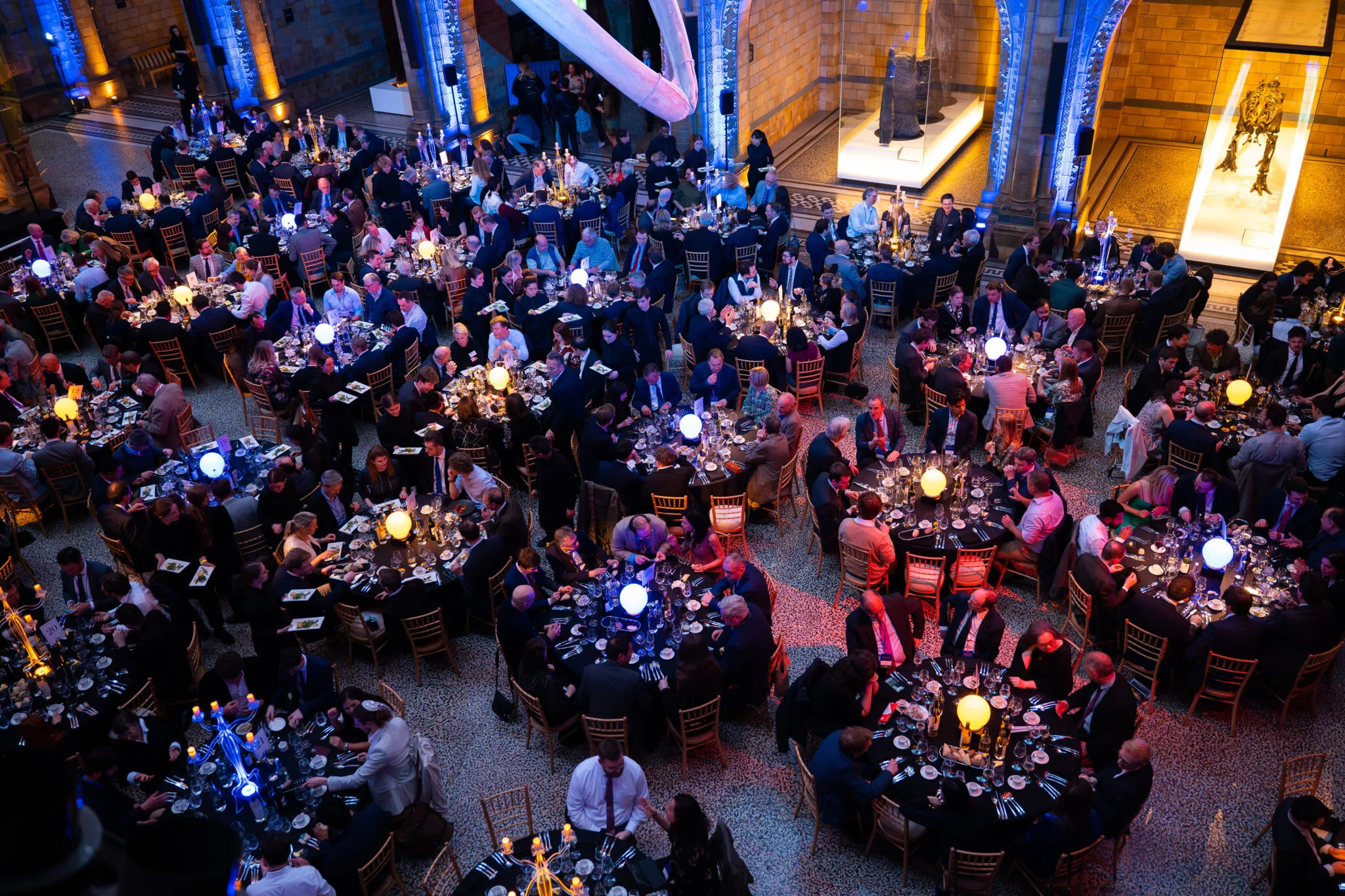
Businesses often assume that a bigger budget automatically leads to a better corporate event.
Many businesses assume that a bigger budget guarantees a better corporate event. In reality, even high-budget events can fail to deliver real impact. In reality, some of the most expensive business events still struggle with poor attendee engagement, operational issues, and unclear outcomes.
Across London and the wider UK, businesses are investing heavily in conferences, networking events, leadership summits, and product launches. Despite this, many events still fail to meet expectations or deliver meaningful results.
The problem is rarely the budget itself. In most cases, the issue comes down to planning strategy, event logistics, audience experience, and execution.
At The Event Book, we regularly see businesses underestimate how many moving parts are involved in delivering a successful corporate event, particularly in fast-paced locations such as London.
Corporate Events Have Become More Complex
Corporate events today are no longer simple meeting-room gatherings. Businesses now expect events to strengthen relationships, improve brand perception, support networking, and create memorable experiences for attendees.
At the same time, guest expectations continue to rise. According to recent event industry insights, businesses are increasingly prioritising experience-led corporate events, hybrid event technology, and personalised attendee experiences in 2026.
This shift means event planning now involves far more than booking a venue and arranging catering.
Modern corporate event planning often includes:
- Venue sourcing and contract negotiation
- Audio-visual production
- Speaker coordination
- Guest registration management
- Brand activation planning
- Corporate hospitality
- Event logistics
- Hybrid event support
- Event technology integration
- Lighting, staging, and entertainment
- VIP guest management
When these elements are not aligned properly, even high-budget events can feel disorganised and difficult to manage.
The Biggest Reasons Corporate Events Fail
The Event Lacks A Clear Objective
One of the most common problems in corporate event management is unclear direction.
Some businesses focus heavily on aesthetics without defining what the event is actually meant to achieve. Is the goal client retention, lead generation, internal communication, networking, investor engagement, or brand awareness?
Without a clear objective, decisions become reactive rather than strategic.
Successful event planning starts with understanding:
- Who the audience is
- What the business wants attendees to feel
- What action should happen after the event
- How success will be measured
Events that feel disconnected from business goals often struggle to create long-term impact.
Poor Venue Selection
Venue choice plays a major role in guest experience.
A venue may look impressive online but still create problems on the day of the event. Common issues include:
- Difficult transport access
- Limited breakout spaces
- Poor acoustics
- Restricted loading access
- Technical limitations
- Inflexible venue policies
In London, venue selection becomes even more important due to traffic, transport timing, and busy corporate schedules.
Experienced event planners usually evaluate venues based on logistics and operational suitability, not just appearance.
Guest Experience Is Treated As An Afterthought
Many companies focus heavily on presentations and branding while overlooking the attendee experience.
Small operational details often shape how guests remember an event:
- Long registration queues
- Delayed schedules
- Poor sound quality
- Confusing layouts
- Limited networking opportunities
- Lack of clear event flow
Corporate guests expect events to feel smooth, organised, and professionally managed.
Recent industry reports show that experience-first event design is becoming one of the biggest trends shaping business events in 2026.
Businesses are increasingly prioritising comfort, interaction, pacing, and engagement rather than simply creating visually impressive spaces.
Last-Minute Planning Creates Unnecessary Risk
One of the fastest ways to create event problems is leaving key decisions too late.
Late venue booking can reduce availability, increase costs, and limit supplier options. It can also create avoidable stress around production schedules, guest management, and event logistics.
Corporate events often involve multiple stakeholders, approvals, suppliers, and departments. Without structured timelines, communication can quickly become fragmented.
Professional event management teams usually build detailed production schedules well in advance to reduce operational risk.
Technical Production Is Underestimated
Audio-visual production has become a critical part of modern corporate events.
Poor lighting, microphone issues, delayed presentations, or unreliable hybrid event technology can affect the professionalism of the entire event.
As hybrid corporate events continue to grow, businesses are relying more heavily on event technology, live streaming, and interactive event platforms.
Technical planning now plays a major role in audience engagement and event delivery.
Businesses Try To Manage Everything Internally
Internal teams are often already balancing multiple responsibilities before event planning begins.
Managing venues, suppliers, guest communication, production, and on-site coordination internally can quickly become overwhelming, especially for large-scale corporate events.
Experienced event planners help businesses reduce operational pressure while ensuring every detail is coordinated properly behind the scenes.
This allows internal teams to focus on guests, networking, and business objectives rather than troubleshooting logistics throughout the event.
What Successful Corporate Events Usually Get Right
The most successful business events are usually built around a few key principles:
- Clear event objectives
- Strong venue selection
- Structured project management
- Smooth guest experience
- Reliable production support
- Strong communication
- Realistic timelines
- Experienced supplier coordination
Businesses are also becoming more strategic about event formats, guest lists, and audience engagement. Recent industry reports show that many organisations are now prioritising smaller, higher-intent corporate events that focus on quality interactions rather than large attendance numbers alone.
Why Professional Event Planning Matters
Corporate events involve a significant amount of coordination behind the scenes. Even smaller business events can involve dozens of suppliers, schedules, technical requirements, and guest-related considerations.
Experienced event management teams help businesses:
- Reduce planning stress
- Improve organisation
- Avoid operational issues
- Manage supplier communication
- Deliver more professional guest experiences
- Keep projects on schedule
For businesses hosting events in London or internationally, local venue expertise and logistical experience can make a major difference to the overall success of the event.
Final Thoughts
A large budget alone does not guarantee a successful corporate event. The events that create the strongest business impact are usually the ones built on clear planning, strong logistics, thoughtful guest experience, and experienced execution.
As corporate events continue evolving in 2026, businesses are placing greater value on strategic planning, experience-led design, and professional event delivery.
Businesses managing complex events often work with experienced teams such as The Event Book to ensure everything runs smoothly and aligns with their wider goals.
FAQs
Why do some corporate events feel disorganised?
Corporate events often feel disorganised when there is no clear planning structure in place. Common issues include poor scheduling, supplier miscommunication, delayed production setup, and lack of on-site coordination. Even well-funded events can struggle if logistics are not managed properly.
What are the most common corporate event planning mistakes?
Some of the most common event planning mistakes include:
- Booking venues too late
- Underestimating event logistics
- Poor guest communication
- Weak event timelines
- Ignoring attendee experience
- Inadequate AV production planning
- Trying to manage everything internally
These issues can affect both guest satisfaction and overall event success.
Why do businesses struggle with event logistics in London?
London corporate events often involve additional logistical challenges such as traffic, venue restrictions, supplier access times, transport coordination, and busy event calendars. Businesses without local event experience can find these factors difficult to manage efficiently.
How can businesses improve guest experience at corporate events?
Businesses can improve guest experience by focusing on smooth registration, clear scheduling, comfortable venues, professional production, networking opportunities, and strong event flow. Guests are more likely to engage positively when events feel organised and easy to navigate.