









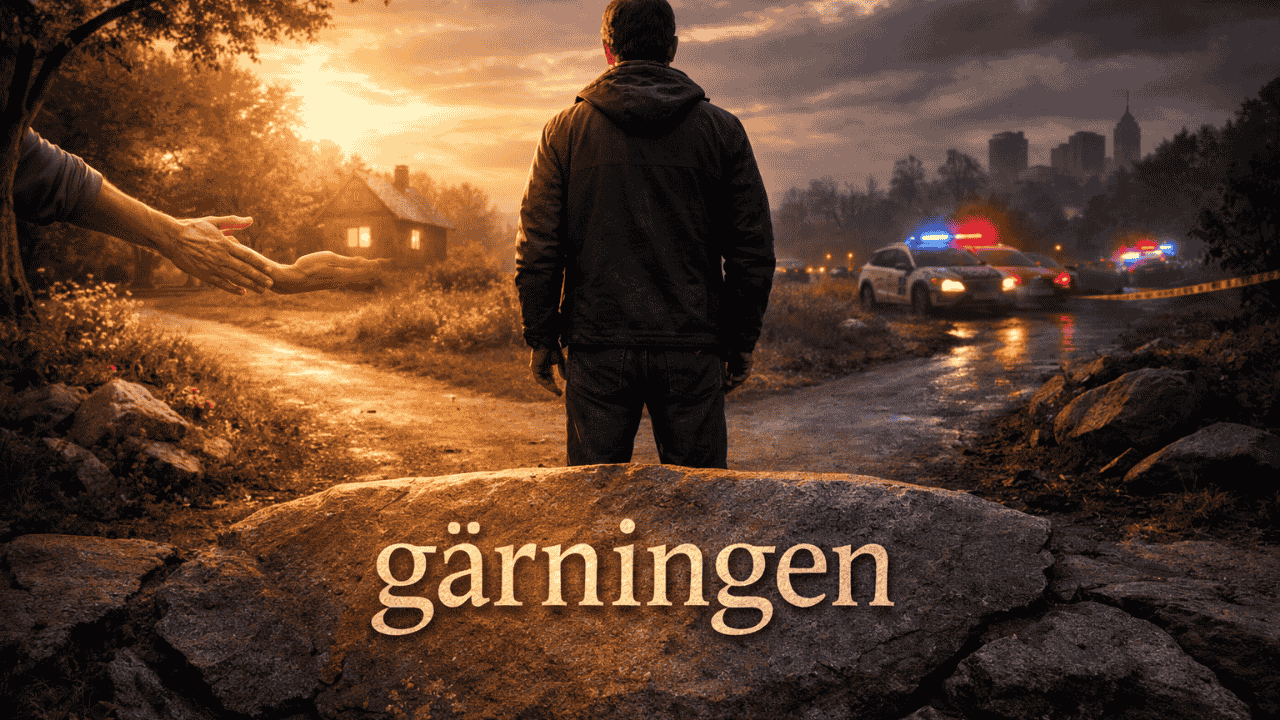
The Swedish word gärningen carries more depth than a simple translation can capture. While it is often translated as “the deed” or “the act,” its real meaning depends heavily on context, intention, and consequence. In everyday use, gärningen refers to something someone has done, but it often implies that the action holds importance or impact. This could range from a kind gesture to a serious crime, making the word both flexible and powerful. Understanding gärningen helps uncover how language reflects responsibility and human behavior.
the meaning of gärningen in simple terms
At its core, gärningen is the definite form of the word “gärning,” which means an act or deed. When someone uses gärningen, they are referring to a specific action that has already taken place. It is not about intention alone, but about something completed and real. This gives the word a sense of finality and accountability that is not always present in similar English terms. In many cases, gärningen points directly to something that can be judged or evaluated.
The word can be used in both neutral and serious situations, but it often appears when the action carries weight. For example, helping a neighbor can be described as a good gärningen, while committing a crime can also be described using the same word. The difference lies in the moral value attached to the action. This dual nature makes gärningen especially interesting for writers and readers alike. It shows how one word can hold both positive and negative meanings depending on context.
how gärningen is used in everyday life
In daily conversation, gärningen appears when people talk about actions that matter. It is not typically used for minor or forgettable activities, but rather for things that leave some kind of impression. This could be a helpful act, a mistake, or something that changes a situation. The word naturally draws attention to the outcome of what someone has done. That is why it often carries a slightly serious tone even in casual use.
People may use gärningen when reflecting on behavior or discussing responsibility. For example, someone might refer to a decision they made earlier as “that gärningen” to emphasize its importance. It is also common in storytelling, where actions define characters and drive events forward. The word fits naturally into conversations about choices and consequences. In this way, gärningen becomes part of how people interpret real-life events.
the legal importance of gärningen in sweden
One of the most significant uses of gärningen appears in legal contexts. In Swedish law, gärningen refers to the specific act that is being examined or judged. It is central to criminal investigations and courtroom discussions. Authorities focus on gärningen to determine what exactly happened and who is responsible. This makes the word essential in understanding how justice is carried out.
In legal language, gärningen is often used in phrases that describe being caught in the act or identifying the exact nature of a crime. The focus is always on the action itself rather than assumptions or speculation. This approach highlights the importance of evidence and clarity. The word helps separate facts from opinions, which is crucial in legal systems. Because of this, gärningen carries a sense of seriousness and precision when used in law.
Some key points about its legal use include:
- it refers to the exact action under investigation
- it is used in police reports and court documents
- it helps define responsibility and intent
- it is central to determining guilt or innocence
moral and cultural meaning behind gärningen
Beyond its literal meaning, gärningen reflects deeper cultural values. In Swedish society, actions often matter more than words, and this idea is closely tied to how the word is used. People are expected to take responsibility for what they do, not just what they say. This creates a strong connection between gärningen and personal accountability. The word becomes a reminder that actions define character.
This cultural perspective can be seen in everyday attitudes and social expectations. People tend to value honesty, responsibility, and consistency in behavior. When someone talks about gärningen, they are often pointing to something that reveals a person’s true nature. It is less about promises and more about proof. This makes the word meaningful in discussions about ethics and integrity.
linguistic roots and origin of gärningen
The word gärningen comes from the verb “göra,” which means “to do” in Swedish. Over time, the language evolved to create nouns that describe actions, and “gärning” became one of them. Adding the definite ending turns it into gärningen, referring to a specific act. This structure is common in Swedish and other Nordic languages. It shows how grammar can shape meaning in subtle ways.
Historically, the roots of gärningen can be traced back to Old Norse. Languages in this region have long emphasized actions and outcomes in their vocabulary. This reflects the practical and grounded nature of communication in these cultures. Words like gärningen developed to describe not just what happens, but what matters. That is why the word still carries weight today.
gärningen in literature and media
In books, films, and journalism, gärningen often appears in moments of tension or importance. Crime stories frequently use the word to describe the central act that drives the plot. Whether it is a mystery or a courtroom drama, gärningen becomes the focal point of the narrative. It represents the event that everything else revolves around. This makes it a powerful storytelling tool.
Journalists also use gärningen when reporting serious incidents. The word helps convey the gravity of a situation without unnecessary exaggeration. It keeps the focus on what actually happened rather than speculation. In literature, it can also take on symbolic meaning, representing choices and consequences. This flexibility allows writers to use gärningen in both literal and abstract ways.
Common uses in media include:
- crime reporting and investigations
- courtroom narratives
- character-driven stories
- philosophical discussions about actions
why gärningen stands out among similar words
There are other words that can describe actions, but gärningen stands out because of its depth. It is not just about something being done, but about the significance of that action. Many languages have words for “act” or “deed,” but few carry the same blend of moral and practical meaning. This makes gärningen unique and worth exploring.
The word also forces attention on results rather than intentions. Someone might have good intentions, but gärningen focuses on what actually happened. This creates a more grounded way of looking at behavior. It removes ambiguity and highlights accountability. For this reason, gärningen is often used in serious or reflective conversations.
real life examples of gärningen in context
To fully understand gärningen, it helps to look at real-life situations. The word can apply to both positive and negative actions, depending on the outcome. It captures moments where decisions lead to clear consequences. This makes it a useful term in many different scenarios. It can describe everyday actions as well as life-changing events.
Here are a few examples:
- helping someone in need can be described as a good gärningen
- breaking the law becomes a negative gärningen
- making a difficult decision can be referred to as an important gärningen
- standing up for someone may be seen as a brave gärningen
Each example shows how the same word can carry different meanings. The key factor is always the impact of the action. This is what gives gärningen its strength as a concept.
conclusion
The word gärningen goes far beyond a simple definition. It captures the idea that actions carry weight and consequences, whether in everyday life, legal systems, or cultural values. By focusing on what has actually been done, gärningen highlights accountability in a clear and direct way. It reflects a mindset where behavior speaks louder than intention, making it a powerful concept in both language and society. Understanding gärningen offers insight into how people judge actions and define responsibility. In the end, it reminds us that what we do often matters more than what we say.
faqs
- what does gärningen mean in english
gärningen means “the deed” or “the act,” referring to a specific action that has already happened. - is gärningen used in legal contexts
yes, gärningen is commonly used in Swedish law to describe the exact act being investigated or judged. - can gärningen have both positive and negative meanings
yes, it can describe both good deeds and harmful actions depending on the situation. - where does the word gärningen come from
it comes from the Swedish verb “göra,” meaning “to do,” with roots in Old Norse language. - why is gärningen important in culture
it reflects the idea that actions define a person, emphasizing responsibility and accountability.