









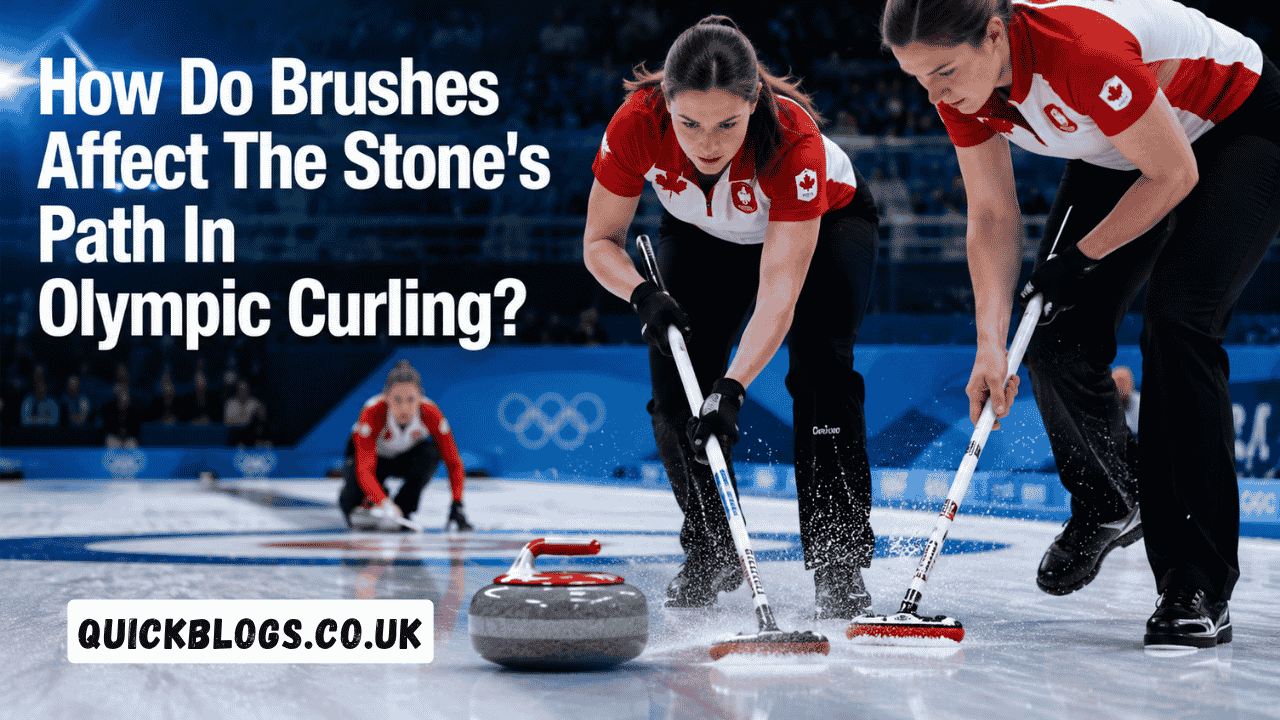
Curling may look calm and simple at first glance, but every shot in an Olympic match depends on precision, timing, and teamwork. One of the most important parts of the game is sweeping the ice in front of the stone. Many new viewers ask the same question during major tournaments: how do brushes affect the stone’s path in olympic curling? The answer involves friction, heat, ice texture, and player technique working together in a very controlled environment. Sweeping is not random movement because every brush stroke can change the speed and direction of the stone within seconds.
Olympic curlers train for years to master sweeping because it can decide the outcome of a match. Players communicate constantly while the stone travels down the sheet, adjusting sweeping intensity depending on the target. Understanding how do brushes affect the stone’s path in olympic curling? helps fans appreciate why curling is often called one of the most strategic sports in the Winter Olympics. The role of the brush goes far beyond cleaning the ice surface. It directly influences how the stone reacts as it moves across pebbled ice.
The Basic Purpose of Sweeping in Curling
Sweeping reduces friction between the curling stone and the ice surface. When players sweep quickly in front of the stone, they slightly warm the ice and smooth the pebble texture on the surface. This allows the stone to travel farther before slowing down. The effect may seem small, but even a slight change can completely alter the final position of the stone during professional competition. Olympic teams rely on precise sweeping because inches often separate winning shots from missed opportunities.
The question how do brushes affect the stone’s path in olympic curling? becomes easier to understand when friction is considered. Curling stones naturally slow down because of contact with the textured ice. Sweeping reduces that resistance and helps the stone maintain momentum longer. This is why players sweep aggressively when a shot appears too light or too slow. Without sweeping, many stones would stop short of the intended target.
Some key purposes of sweeping include:
- Helping the stone travel farther
- Reducing the amount of curl
- Keeping the stone on a straighter path
- Adjusting shot accuracy during play
- Supporting strategic shot placement
Why Curling Stones Naturally Curve
Curling stones do not travel in a perfectly straight line because they rotate during delivery. As the stone spins and moves across the pebbled ice, it gradually curves toward one side. This curved movement is called the “curl,” and it is one of the defining features of the sport. Players use different rotations depending on the shot they want to create. Understanding this movement is essential when learning how do brushes affect the stone’s path in olympic curling?
The ice used in Olympic curling is carefully prepared with small droplets of water called pebble. These tiny bumps reduce direct contact between the stone and the flat ice surface. As the stone rotates over the pebble, friction develops unevenly beneath it. That uneven resistance contributes to the curling motion seen during matches. Sweeping changes how strongly the stone interacts with the pebble, which affects the amount of curve.
Scientists still debate the exact physics behind curling movement. Some researchers believe microscopic scratches guide the stone’s movement across the pebble. Others focus on friction differences under different sections of the stone. While the scientific discussion continues, players already understand how important sweeping is in controlling the curve. That practical knowledge matters more during competition than theoretical debate.
How Sweeping Changes the Direction of the Stone
One of the most interesting parts of curling strategy involves controlling direction through sweeping. Many viewers assume sweeping only increases distance, but it also influences the path of the stone. When players sweep intensely, the stone tends to curl less and stay straighter for a longer time. This can help teams avoid guards or place stones more accurately near the center of the house. The relationship between sweeping and direction is central to understanding how do brushes affect the stone’s path in olympic curling?
Directional sweeping became more noticeable in modern curling because athletes developed stronger and more precise techniques. Players sometimes focus sweeping pressure on one side of the stone’s path to influence movement slightly. Even small directional adjustments can determine whether a shot succeeds or fails at the Olympic level. Teams practice these techniques repeatedly because timing and coordination must be exact. Poor sweeping decisions can easily ruin an otherwise perfect delivery.
Several factors influence directional sweeping:
- Sweep speed
- Brush pressure
- Ice conditions
- Stone rotation
- Communication between teammates
The Role of Heat and Friction During Sweeping
Heat plays a major role in the answer to how do brushes affect the stone’s path in olympic curling? Fast sweeping creates slight warming on the ice surface in front of the moving stone. Although the temperature change is very small, it reduces friction enough to impact the shot significantly. Less friction allows the stone to slide more smoothly across the ice. This creates extra travel distance and reduces sudden curling movement.
Olympic sweepers use powerful upper-body motion and downward pressure to maximize effectiveness. Professional curlers are extremely fit because sweeping requires strength and endurance throughout a match. During important shots, players may sweep continuously for several seconds at high intensity. This level of effort can quickly influence how the stone behaves before it slows down. The stronger the sweep, the greater the effect on speed and line.
Friction management is one of the hidden skills in curling. Teams constantly read the ice conditions because temperature and humidity can change how the ice reacts. A shot that works early in the match may behave differently later. Sweeping becomes even more important when conditions are unpredictable. Experienced teams adapt quickly and use sweeping to compensate for changing ice behavior.
How Olympic Curling Ice Is Prepared
The ice surface used in Olympic curling is different from standard skating ice. Curling ice is intentionally textured with pebble to create controlled friction for the stones. Ice technicians spray water droplets across the sheet before matches, and these droplets freeze into small raised bumps. The stones glide over these bumps instead of sliding on perfectly flat ice. This special surface is essential to understanding how do brushes affect the stone’s path in olympic curling?
Pebbled ice creates the conditions needed for curling movement and sweeping influence. When sweepers brush the surface, they temporarily smooth some of the pebble texture. This reduces resistance and changes the interaction between the stone and the ice. The condition of the pebble can affect every shot during a match. Teams study the ice carefully before games because pebble quality influences strategy.
Olympic ice crews maintain strict standards during tournaments. They monitor temperature, humidity, and pebble consistency throughout the competition. Even small changes in the environment can impact stone movement. This attention to detail helps ensure fair conditions for every team. Curling may look simple on television, but the ice preparation process is extremely technical.
The Controversy Around Modern Curling Brushes
The discussion around how do brushes affect the stone’s path in olympic curling? became much bigger during the “Broomgate” controversy. Around the mid-2010s, new brush materials allowed players to control stones more aggressively than before. Some teams gained major advantages by using advanced fabric technology during sweeping. Critics argued that equipment was becoming more important than player skill. This sparked serious debate within the curling community.
World curling organizations eventually introduced regulations limiting brush materials and sweeping methods. Officials wanted to preserve fairness and maintain the traditional balance of the sport. Modern brushes are still highly effective, but stricter rules prevent extreme manipulation of the stone’s path. The controversy also increased public interest in the science behind curling. Many casual viewers became curious about how much influence sweepers actually have during play.
The brush controversy highlighted several concerns:
- Competitive fairness
- Equipment advantages
- Directional sweeping techniques
- Rule enforcement
- Preservation of traditional gameplay
Team Communication and Sweeping Strategy
Sweeping is not only physical work because communication is equally important. Olympic curlers constantly discuss speed, line, and timing while the stone moves down the sheet. The skip usually stands near the target area and directs sweepers based on the shot’s progress. Players react within seconds because hesitation can ruin the shot completely. Team coordination is a major reason why elite curling looks so smooth and controlled.
Understanding how do brushes affect the stone’s path in olympic curling? also means understanding teamwork. Sweepers must decide how hard to sweep and when to stop. Over-sweeping can cause the stone to travel too far, while weak sweeping may leave it short of the target. Every player contributes information during the shot. Successful teams build trust through constant practice and communication.
Curling strategy changes depending on the situation in the match. Teams may sweep aggressively during offensive shots to reach scoring positions. Defensive shots often require careful control to block opponents effectively. Players also adjust sweeping style depending on ice conditions and stone rotation. These small decisions separate average teams from Olympic champions.
Why Sweeping Makes Curling Unique
Few sports allow athletes to influence an object after release as much as curling does. In bowling, golf, or baseball, players mostly watch once the ball leaves their hands. Curling is different because sweepers continue shaping the shot while the stone travels down the ice. This makes teamwork more important than in many individual precision sports. The answer to how do brushes affect the stone’s path in olympic curling? explains why sweeping is such a defining feature of the game.
Sweeping combines science, fitness, and strategy in a way that surprises many first-time viewers. The brush becomes an extension of the player’s tactical decisions during each shot. Olympic curling may appear slow compared to other Winter Olympic events, but every second involves calculation and communication. Small adjustments in sweeping can create dramatic changes in outcomes. That level of control is what makes curling fascinating to both players and fans.
Conclusion
Understanding how do brushes affect the stone’s path in olympic curling? reveals how much skill exists behind every shot in the sport. Sweeping changes friction, controls distance, reduces curl, and sometimes even influences direction. Olympic teams spend years mastering these techniques because precise sweeping can decide entire matches. The combination of ice physics, communication, and athletic effort makes curling far more complex than many people realize.
The science behind sweeping continues to attract researchers and sports fans alike. From pebble ice preparation to modern brush technology, every detail matters during Olympic competition. Curling remains one of the few sports where teamwork directly shapes the path of the object after release. That unique element is part of what makes the sport so engaging to watch. Once viewers understand the role of sweeping, every Olympic curling match becomes much more exciting and meaningful.
FAQs
1. How do brushes affect the stone’s path in olympic curling?
Brushes reduce friction on the ice, helping the stone travel farther and curl less during its movement across the sheet.
2. Why do curlers sweep so aggressively during matches?
Players sweep aggressively to maintain stone speed, improve accuracy, and control how much the stone curves near the target.
3. Does sweeping actually melt the ice in curling?
Sweeping creates slight warming on the ice surface, which reduces friction temporarily and changes how the stone moves.
4. What is pebble ice in Olympic curling?
Pebble ice is a textured ice surface created by spraying water droplets that freeze into tiny bumps used for curling gameplay.
5. Can sweeping completely change the direction of a curling stone?
Sweeping cannot fully redirect a stone, but it can reduce curl and slightly influence the final path and positioning of the shot.