




The word veneajelu carries more weight than it first appears to. At a basic level, it refers to a boat ride, but in practice it reflects a way of life shaped by water, quiet, and time spent outdoors. In Finland, where lakes stretch across the landscape, veneajelu is part of everyday living rather than a special activity. People don’t rush it or turn it into a spectacle, and that is exactly what makes it stand out. Understanding veneajelu means looking beyond the surface and seeing how culture, geography, and mindset come together.
Understanding the true meaning of veneajelu
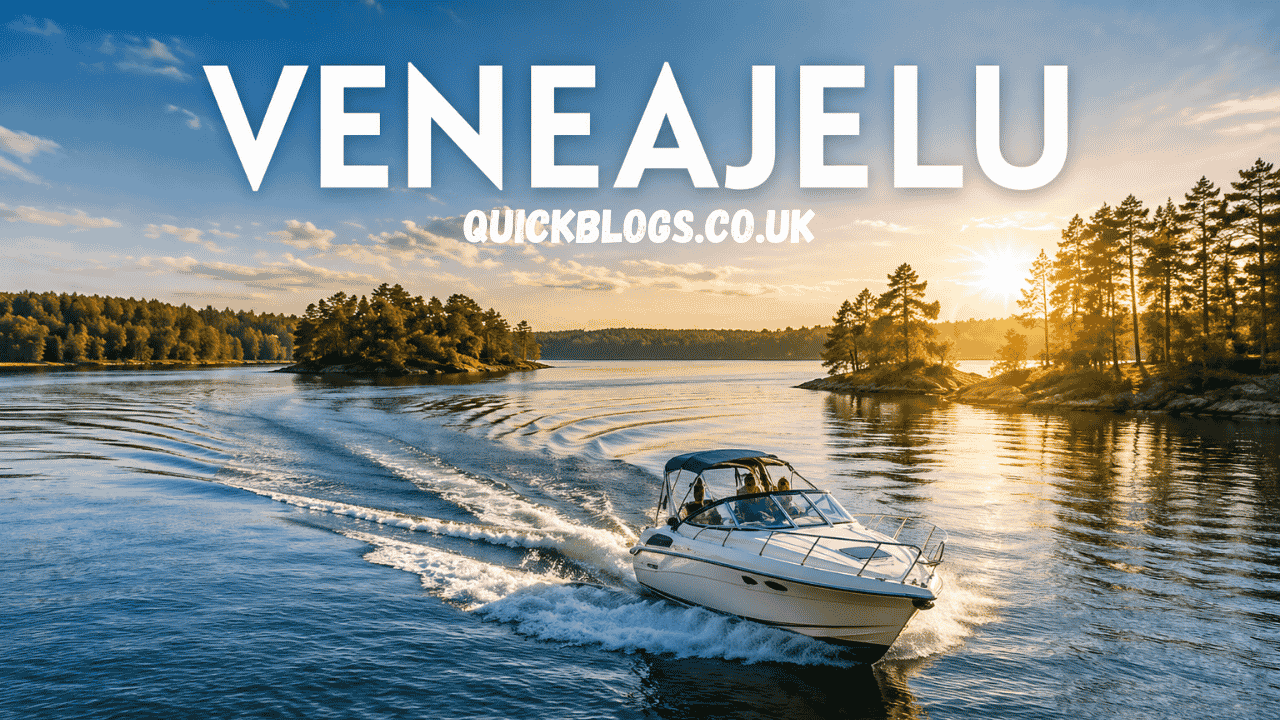
Veneajelu is formed from two Finnish words that combine to create a simple but meaningful idea. The word “vene” means boat, while “ajelu” refers to a ride or outing, which together form the concept of a relaxed boating experience. This is not about speed, luxury, or competition, but about calm movement across water. People often associate veneajelu with still lakes, soft winds, and slow travel. The experience is meant to be enjoyed rather than completed.
What makes veneajelu different from typical boating is its intention. Instead of focusing on reaching a destination, the focus stays on the journey itself. Time slows down, and the surroundings become part of the experience. This approach explains why veneajelu feels closer to a lifestyle than an activity. It represents a mindset where simplicity and presence matter more than excitement.
The Finnish roots behind veneajelu
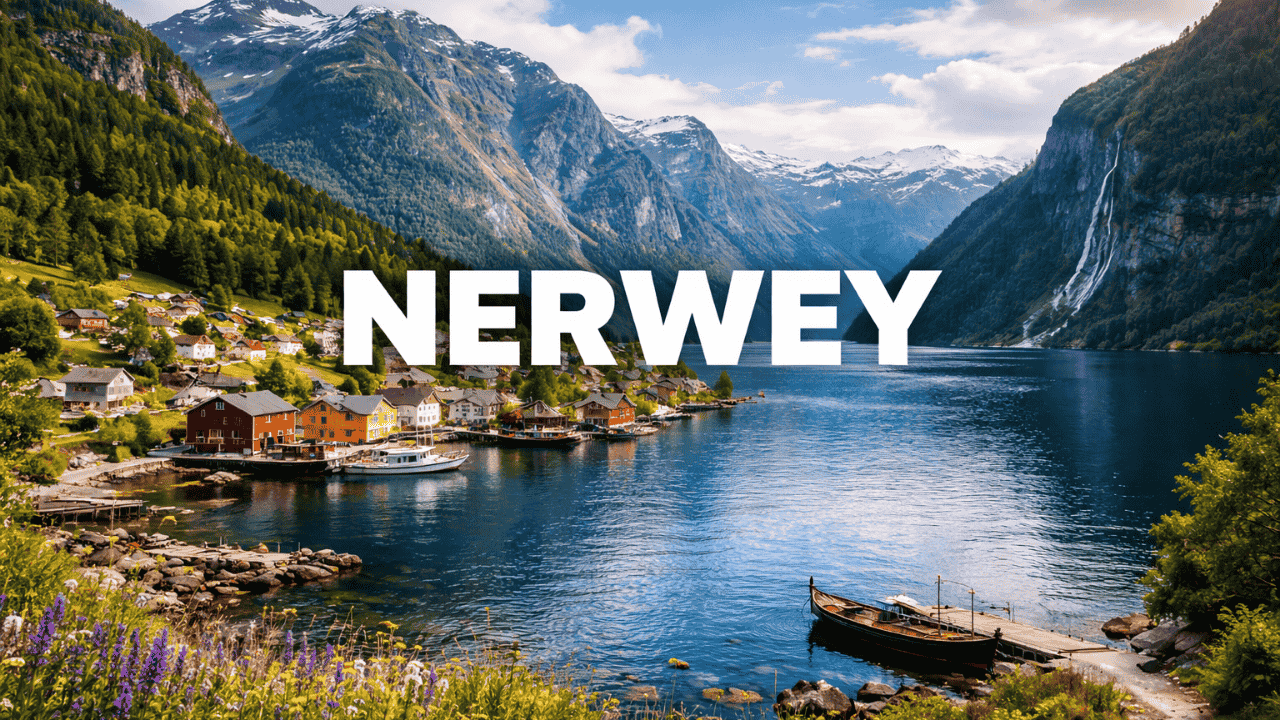
Finland’s geography plays a direct role in shaping veneajelu. With thousands of lakes and an extensive coastline, water has always been part of daily life. In earlier times, boats were not optional; they were necessary for travel, fishing, and trade. Families relied on them to move between places that roads could not reach. Over time, what started as survival slowly turned into tradition.
Today, veneajelu still reflects that history, but in a more relaxed form. People continue to use boats, but now it is often tied to leisure and personal time. Summer cottages near lakes have strengthened this connection, making veneajelu a regular part of seasonal living. The tradition remains intact, even as its purpose has shifted. That continuity is what gives veneajelu its cultural depth.
What a veneajelu experience actually feels like
To understand veneajelu, it helps to picture the experience itself. It usually involves calm waters, minimal noise, and a steady pace that allows people to absorb their surroundings. There is no pressure to move quickly or follow a strict plan. The goal is to enjoy the moment as it unfolds. This creates a sense of peace that is hard to replicate in fast-paced environments.
A typical veneajelu might include simple activities that add to the overall feeling. These often involve:
- quiet conversations with friends or family
- stopping at small islands for food or rest
- observing nature without distractions
- combining the outing with a sauna session nearby
These small details shape the experience and make veneajelu feel personal. It becomes less about the boat and more about the atmosphere it creates.
Veneajelu as part of a slow living lifestyle
Veneajelu fits naturally into the idea of slow living, where people choose to reduce speed and focus on meaningful experiences. Instead of chasing constant activity, this lifestyle values stillness and awareness. Veneajelu supports this by encouraging people to disconnect from daily pressure. It allows space for reflection and mental clarity.
In a world that often prioritizes productivity, veneajelu offers a different direction. It shows that stepping back can be just as valuable as moving forward. Many people are drawn to this concept because it feels balanced and grounded. The appeal lies in its simplicity, not complexity. That is why veneajelu continues to attract attention beyond Finland.
Cultural elements connected to veneajelu
Veneajelu does not exist in isolation, as it connects closely with other Finnish traditions. One of the strongest links is to sauna culture, which often pairs with time spent near water. After a boat outing, people may relax in a sauna and then return to the lake, creating a cycle of calm and refreshment. This combination reinforces the idea of balance between body and mind.
Another important element is the use of summer cottages. These spaces provide a setting where veneajelu becomes part of daily routine rather than a planned event. Families gather, cook simple meals, and spend time outdoors without strict schedules. The environment supports a slower pace, which strengthens the overall experience. These cultural layers give veneajelu its full meaning.
Why veneajelu feels different from regular boating
Many people assume veneajelu is just another form of boating, but the difference becomes clear when looking at purpose and attitude. Regular boating can involve speed, competition, or structured activities. Veneajelu, on the other hand, removes those elements and focuses on calm exploration. The absence of urgency is what defines it.
There are a few clear distinctions that set veneajelu apart:
- emphasis on relaxation instead of performance
- minimal use of technology or distractions
- stronger connection to nature and surroundings
- flexible timing without strict plans
These points highlight why veneajelu stands out. It is not about doing more, but about experiencing more with less.
The rising curiosity around veneajelu online
In recent years, the word veneajelu has started appearing in different online discussions. Some of this attention comes from people discovering Finnish culture and lifestyle practices. Others encounter the term through unrelated trends, which creates confusion. This mix of meanings has made veneajelu an interesting topic to explore.
One example is the appearance of veneajelu in beauty-related conversations, where it has been linked to cosmetic treatments. This interpretation is not connected to its original meaning and often leads to misunderstandings. It is important to separate these uses and recognize that veneajelu primarily belongs to Finnish culture. Clarifying this helps maintain accuracy when writing about the topic.
The emotional and psychological side of veneajelu
Beyond its physical setting, veneajelu also affects how people feel. Being on calm water has a natural impact on the mind, reducing stress and improving focus. The gentle movement and open space create a sense of freedom that is hard to find in crowded environments. This is one reason why veneajelu feels restorative.
Spending time in nature without constant noise allows thoughts to settle. People often find clarity during these moments, even without trying. Veneajelu creates the right conditions for this to happen naturally. It is not designed as therapy, but it often has a similar effect. That quiet benefit is part of its lasting appeal.
How veneajelu reflects Nordic values
The concept of veneajelu aligns closely with broader Nordic values such as simplicity, balance, and respect for nature. These values are visible in daily habits and traditions across the region. Veneajelu fits into this framework by emphasizing calm and connection rather than excess. It shows how lifestyle choices can reflect deeper cultural beliefs.
This alignment is one reason why veneajelu resonates with people outside Finland as well. It offers a practical example of living with intention. Instead of being an abstract idea, it is something people can experience directly. That makes it easier to understand and adopt in different ways. The concept travels well because it is grounded in universal needs.
Practical ways to experience veneajelu
For someone interested in trying veneajelu, the approach should stay simple. It does not require expensive equipment or detailed planning. The focus should remain on the experience rather than the setup. Keeping things minimal helps preserve the original spirit of veneajelu.
A few practical steps can help create an authentic experience:
- choose a calm body of water instead of busy areas
- avoid rushing and allow time for pauses
- bring simple food rather than complex arrangements
- limit phone use to stay present
Following these ideas makes veneajelu feel natural rather than forced. The goal is not to copy perfectly, but to capture the essence.
Conclusion
Veneajelu is more than a word describing a boat ride. It represents a way of engaging with time, nature, and personal space that feels increasingly rare. Rooted in Finnish culture, it carries history while adapting to modern life without losing its core meaning. The concept stands out because it values simplicity in a world that often overlooks it.
As interest in slower and more mindful living grows, veneajelu offers a clear example of what that can look like in practice. It does not rely on trends or complexity, which makes it easy to understand yet hard to replace. Whether experienced directly or explored through writing, veneajelu leaves a lasting impression. Its strength lies in how quietly it speaks.
FAQs
- What does veneajelu mean in simple terms
Veneajelu means a relaxed boat ride, usually focused on enjoying nature rather than reaching a destination. - Where does veneajelu come from
Veneajelu originates from Finland and is closely tied to its lakes, coastline, and outdoor lifestyle. - Is veneajelu the same as boating
No, veneajelu focuses on slow and peaceful experiences, while boating can include speed and structured activities. - Why is veneajelu becoming popular online
It is gaining attention due to interest in Finnish culture and also because of confusion with unrelated trends. - Can veneajelu be experienced outside Finland
Yes, the concept can be adapted anywhere with calm water and a focus on relaxation and simplicity.