








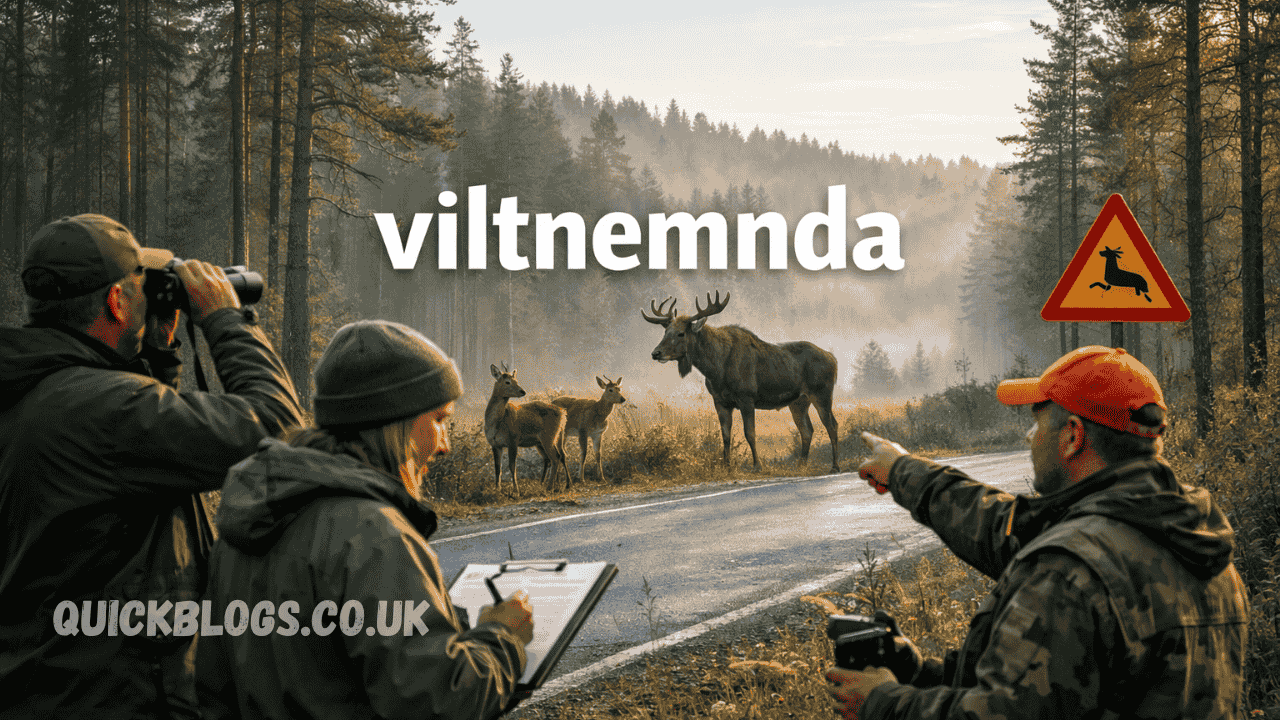
Norway is known for its vast forests, rich biodiversity, and strong environmental policies. Behind the scenes, much of this balance is maintained through a decentralized system that relies on local decision-making. One of the most important parts of this system is the viltnemnda, a municipal-level wildlife committee responsible for managing wild animal populations and resolving conflicts between humans and nature. While not widely discussed outside Norway, the viltnemnda plays a practical and often hands-on role in everyday environmental governance. From regulating hunting to responding to wildlife accidents, its responsibilities go far beyond paperwork.
what viltnemnda means and how it is structured
The term viltnemnda refers to a wildlife committee established at the municipal level in Norway. These committees are typically formed by local governments and consist of individuals with experience in hunting, land management, or environmental science. Their role is to ensure that national wildlife laws are applied in ways that make sense for local conditions. This structure allows decisions to reflect the realities of specific regions, whether forested, rural, or semi-urban.
Each viltnemnda operates within a legal framework defined by national legislation, but it still has flexibility in how it applies those rules. Members are appointed rather than elected, which helps maintain a focus on expertise rather than politics. The composition of a viltnemnda often includes a mix of perspectives, which leads to more balanced decisions. This structure is one reason why the viltnemnda system is often seen as practical and grounded.
the core responsibilities of viltnemnda in local communities
The day-to-day work of a viltnemnda revolves around managing wildlife in a way that balances conservation and human needs. These responsibilities are not abstract policies but real actions that affect farmers, drivers, hunters, and local residents. The committee acts as both a regulator and a problem-solver, often stepping in when conflicts arise. This makes the viltnemnda an essential part of local governance.
Some of the main responsibilities include:
- Setting hunting quotas and approving hunting plans
- Monitoring wildlife populations such as moose and deer
- Responding to injured or dead animals
- Handling reports of wildlife-related damage
- Advising municipalities on land use decisions
Each of these tasks requires coordination with other authorities and sometimes quick decision-making. The viltnemnda is expected to act based on both data and local knowledge, which gives it a unique position in the system. It is not just about enforcing rules but about managing ongoing situations.
how viltnemnda regulates hunting and population control
One of the most visible roles of the viltnemnda is regulating hunting activities. Hunting is an important tradition in Norway, but it is also tightly controlled to prevent overexploitation. The viltnemnda determines how many animals can be hunted in a given season based on population data. These decisions are updated regularly to reflect changes in wildlife numbers.
The committee also works closely with hunters to ensure compliance with regulations. Rather than acting purely as an enforcement body, the viltnemnda often engages in dialogue with hunting groups. This approach helps maintain trust and encourages responsible practices. By controlling hunting levels, the viltnemnda helps keep ecosystems stable and prevents population imbalances.
handling wildlife incidents and human conflicts
Wildlife does not always stay in remote forests, and conflicts between animals and humans are common. The viltnemnda is often the first point of contact when issues arise, such as animals damaging crops or appearing in residential areas. These situations require quick and practical responses, which is why local committees are so effective. A centralized system would struggle to act with the same speed.
Typical situations handled by viltnemnda include:
- Road accidents involving animals like moose or deer
- Livestock being threatened by predators
- Wildlife entering urban or residential zones
- Injured animals needing humane intervention
In these cases, the viltnemnda coordinates with emergency services, veterinarians, and sometimes the police. Their goal is to resolve the situation with minimal harm to both people and animals. This hands-on role shows how the viltnemnda operates beyond policy and into real-life scenarios.
the importance of local knowledge in decision making
One of the strengths of the viltnemnda system is its reliance on local knowledge. Members often live in the areas they serve, which gives them firsthand understanding of wildlife patterns and community concerns. This knowledge is combined with scientific data to guide decisions. The result is a more practical and realistic approach to wildlife management.
Local insight allows the viltnemnda to adapt policies to specific environments. For example, a forest-heavy region may require different hunting limits than a coastal area. This flexibility helps avoid one-size-fits-all solutions that often fail in environmental management. It also builds trust among residents who feel their concerns are being heard.
challenges faced by viltnemnda in modern times
Despite its strengths, the viltnemnda system faces growing challenges. Changes in climate are affecting animal behavior and migration patterns, making population management more complex. Urban expansion is also pushing wildlife closer to human settlements, increasing the likelihood of conflicts. These factors require the viltnemnda to constantly adapt.
Another challenge is balancing different interests within the community. Farmers, conservationists, and hunters may have conflicting priorities, and the viltnemnda must navigate these tensions carefully. Limited resources and funding can also make it harder to carry out responsibilities effectively. Even so, the system continues to function because of its local focus and adaptability.
why viltnemnda is considered an effective model
The effectiveness of the viltnemnda lies in its decentralized approach. By placing responsibility at the local level, decisions can be made quickly and with better context. This reduces delays and improves the quality of outcomes. It also encourages community involvement, which is essential for long-term success.
Key reasons why viltnemnda works well include:
- Strong connection to local communities
- Flexibility in applying national laws
- Combination of data and practical experience
- Direct involvement in real-world situations
This model has attracted attention from other countries looking for better ways to manage wildlife. While not perfect, the viltnemnda offers a workable example of how local governance can handle complex environmental issues.
the broader impact of viltnemnda on conservation
Beyond its immediate responsibilities, the viltnemnda contributes to broader conservation goals. By maintaining balanced wildlife populations, it helps protect ecosystems from disruption. It also plays a role in preserving biodiversity by preventing overhunting and habitat damage. These outcomes have long-term benefits for both nature and society.
The work of the viltnemnda also supports public safety. Fewer wildlife accidents and better conflict management mean safer roads and communities. In this way, the committee’s impact extends beyond environmental concerns. It becomes part of everyday life in ways that are often overlooked.
conclusion
The viltnemnda is a practical and locally driven system that plays a key role in Norway’s approach to wildlife management. It operates at the intersection of policy, community needs, and environmental realities, making it both flexible and effective. By handling tasks like hunting regulation, conflict resolution, and population monitoring, the viltnemnda ensures that wildlife and human activities can coexist. Its reliance on local knowledge and quick decision-making sets it apart from more centralized systems. While challenges continue to evolve, the viltnemnda remains a strong example of how local governance can manage complex ecological issues in a grounded and realistic way.
faqs
- what does viltnemnda mean?
viltnemnda refers to a local wildlife committee in Norway responsible for managing wildlife populations and related issues at the municipal level. - who are the members of viltnemnda?
members of viltnemnda are usually appointed by local municipalities and include individuals with experience in hunting, land management, or environmental fields. - what does viltnemnda do?
viltnemnda regulates hunting, monitors wildlife populations, handles conflicts between humans and animals, and advises on environmental decisions. - why is viltnemnda important?
viltnemnda helps maintain ecological balance, ensures public safety, and supports sustainable use of wildlife resources. - can other countries adopt the viltnemnda system?
yes, the viltnemnda model can be adapted by other countries looking for decentralized and community-based wildlife management systems.